Edible Oils & Ghee: The Aromatic Essence, Cooking Fats, and Culinary Traditions of Indian Kitchens
Cooking oils and ghee are the essential culinary mediums that carry flavors, conduct heat evenly during frying and sautéing, and provide vital fat-soluble nutrients to everyday meals. Whether you are tempering spices in aromatic mustard oil for authentic regional curries, using light sunflower oil for daily sautéing, or drizzling golden, fragrant desi ghee over piping-hot rotis and festive sweets, our comprehensive department brings the purest kitchen fats straight from certified producers to your pantry.
At Takora Mart, we bring together rigorous quality screening, cold-pressed purity standards, and secure airtight packaging, ensuring every bottle of oil and jar of ghee delivers exceptional aroma, safety, and nutritional integrity.
Overview of Sub-Categories & Product Offerings
Our Edible Oils & Ghee department features diverse, premium selections tailored to cover every cooking method and dietary preference:
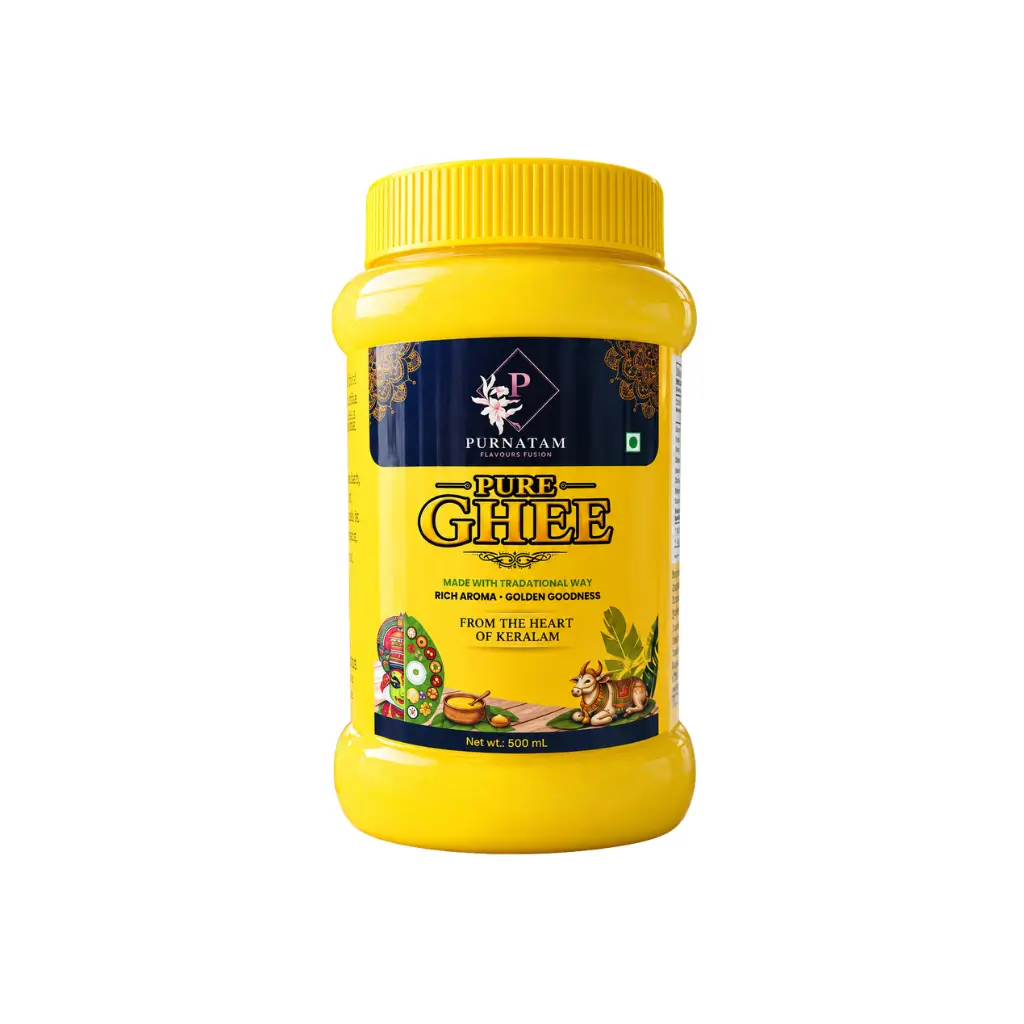
- Pure Desi Ghee: Traditional cow and buffalo ghee crafted from clarified butter, celebrated for its high smoke point, rich nutty aroma, and deep cultural heritage in Indian cooking.
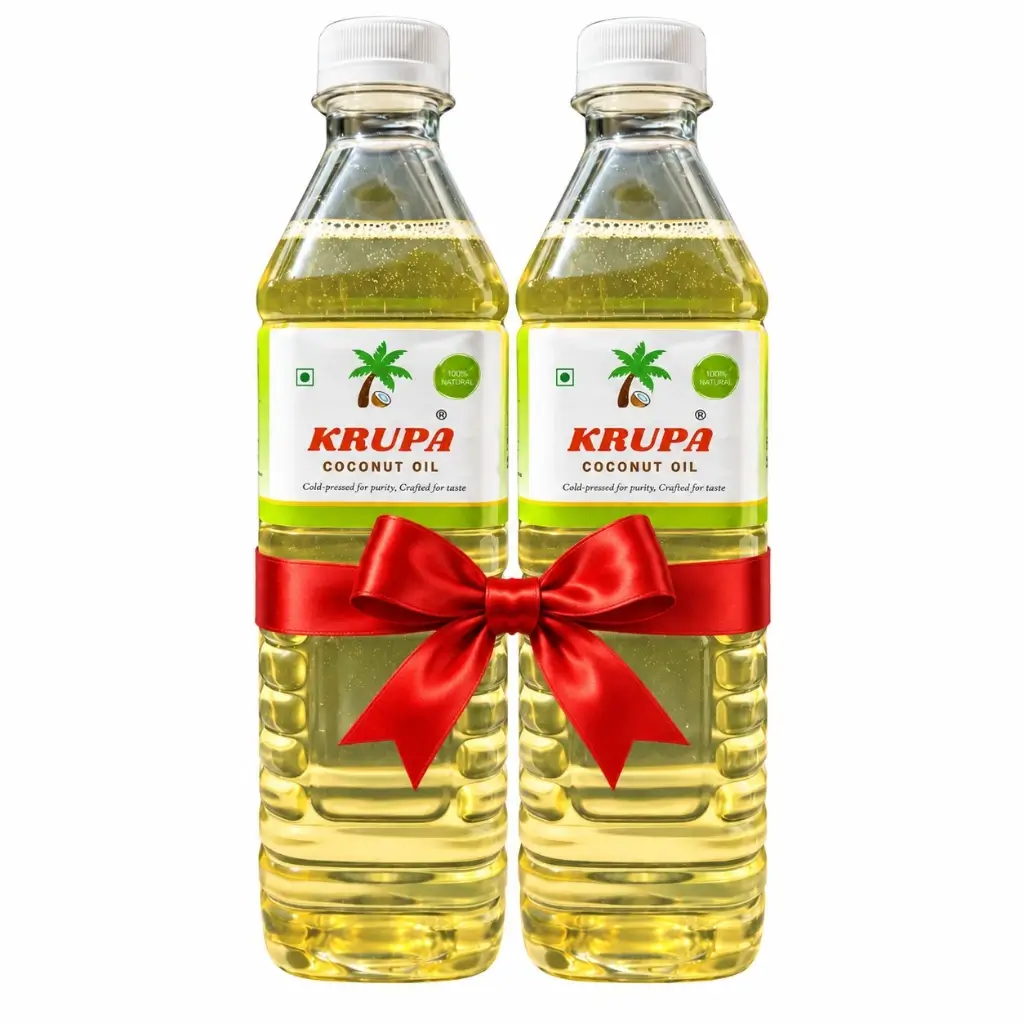
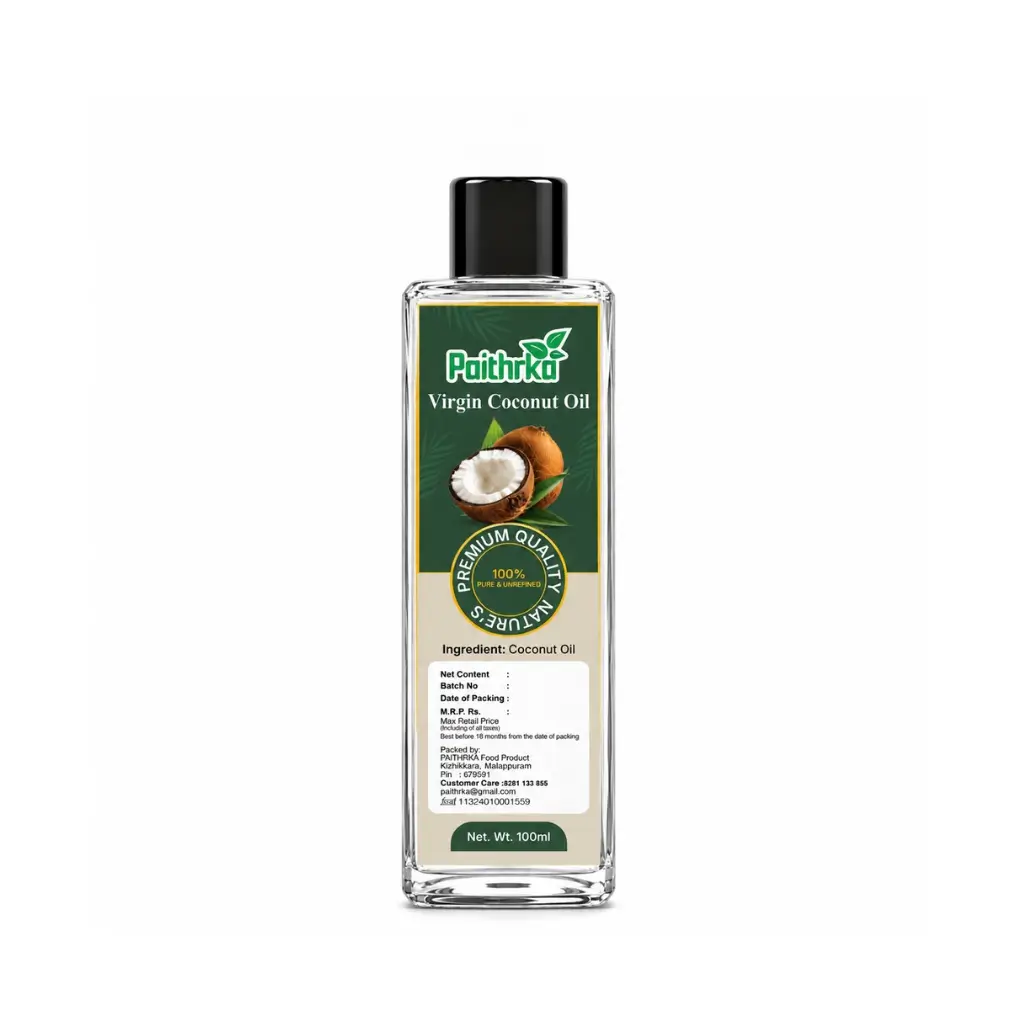
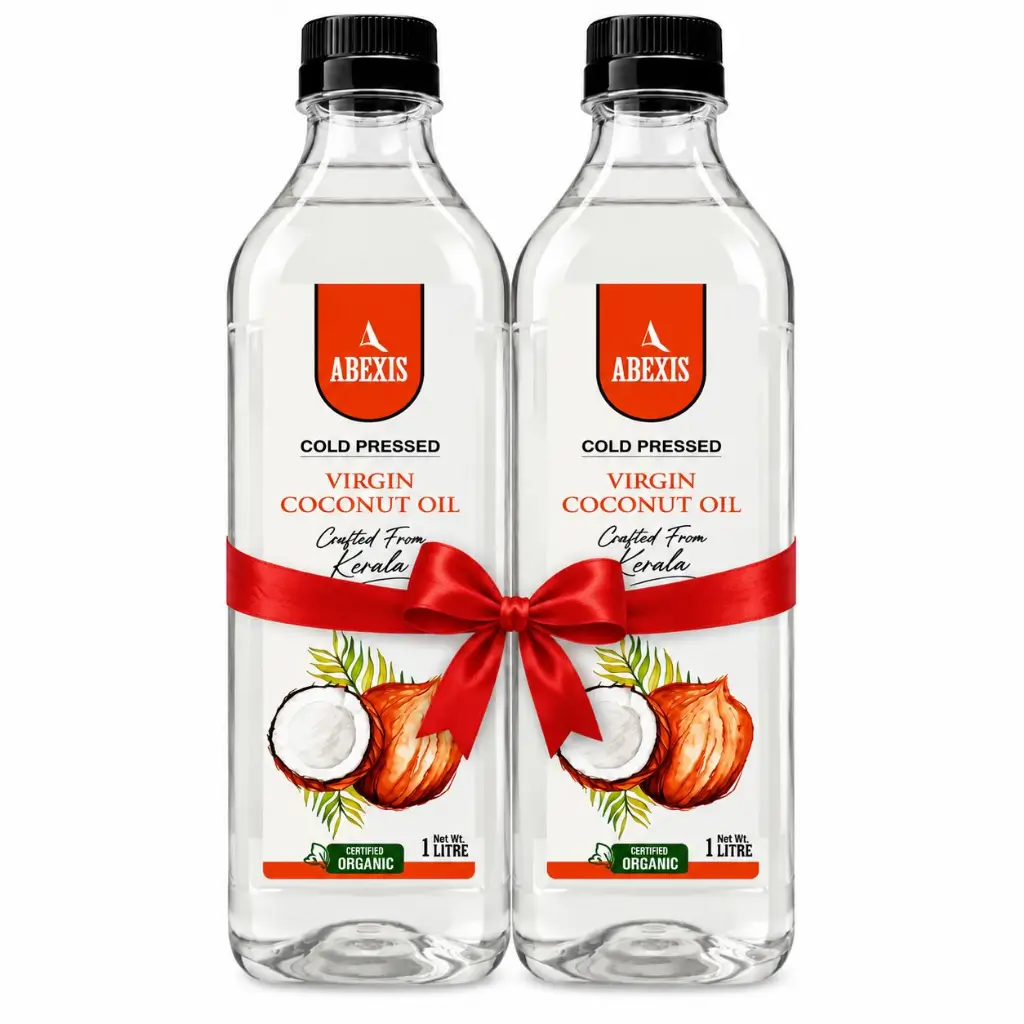
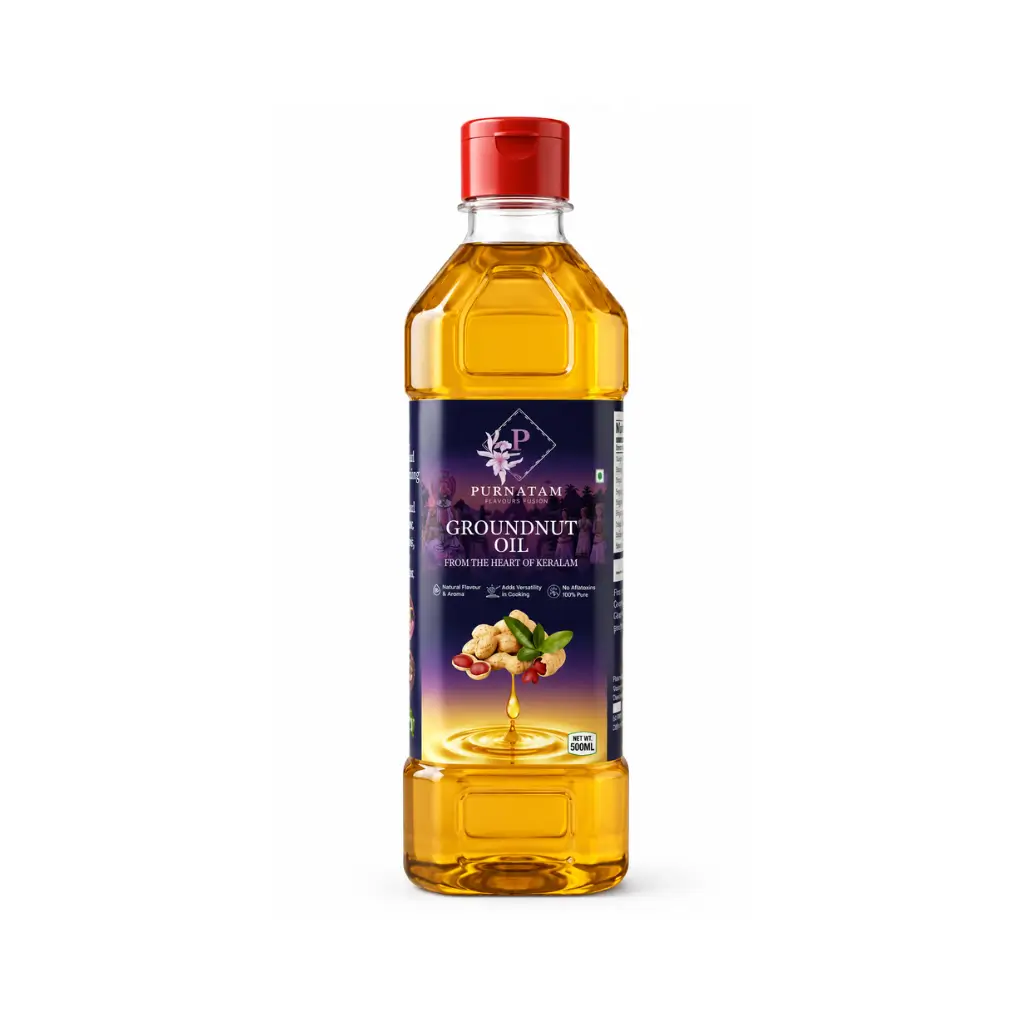
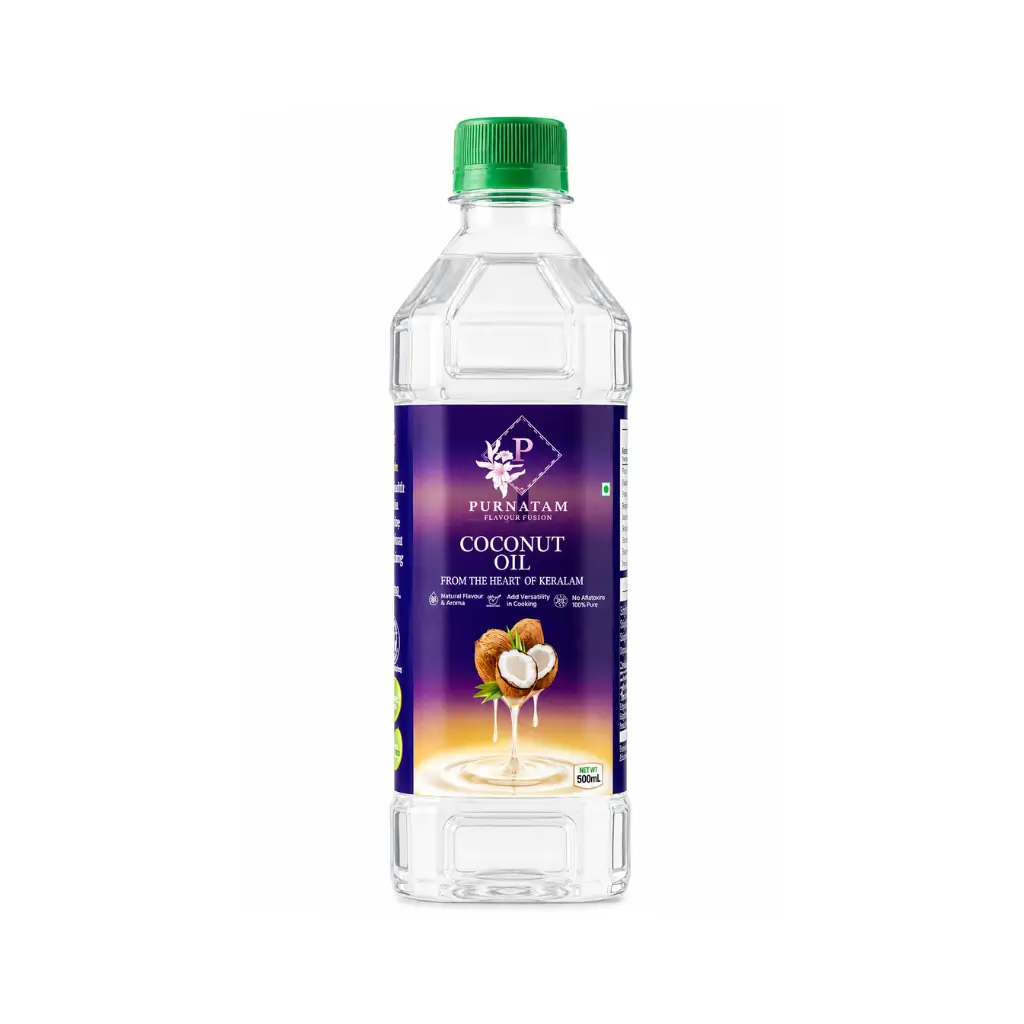
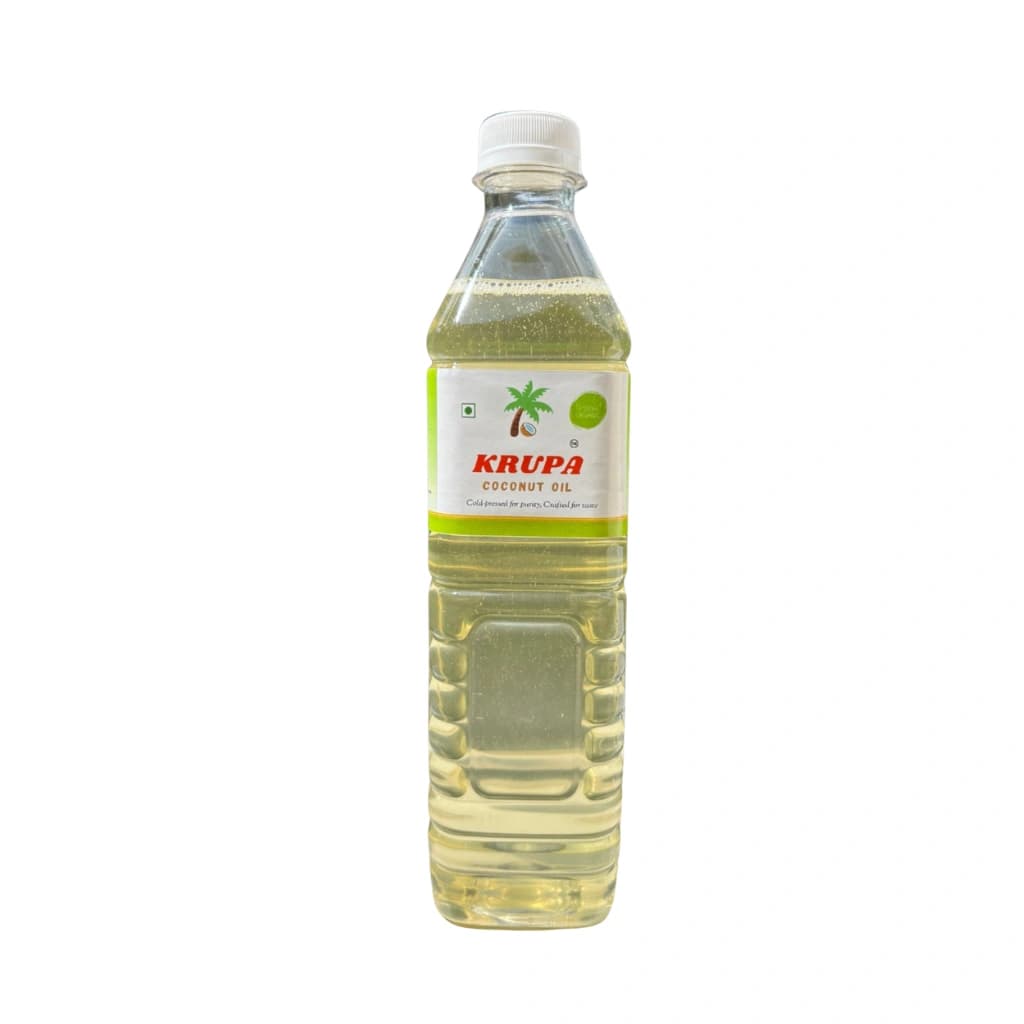
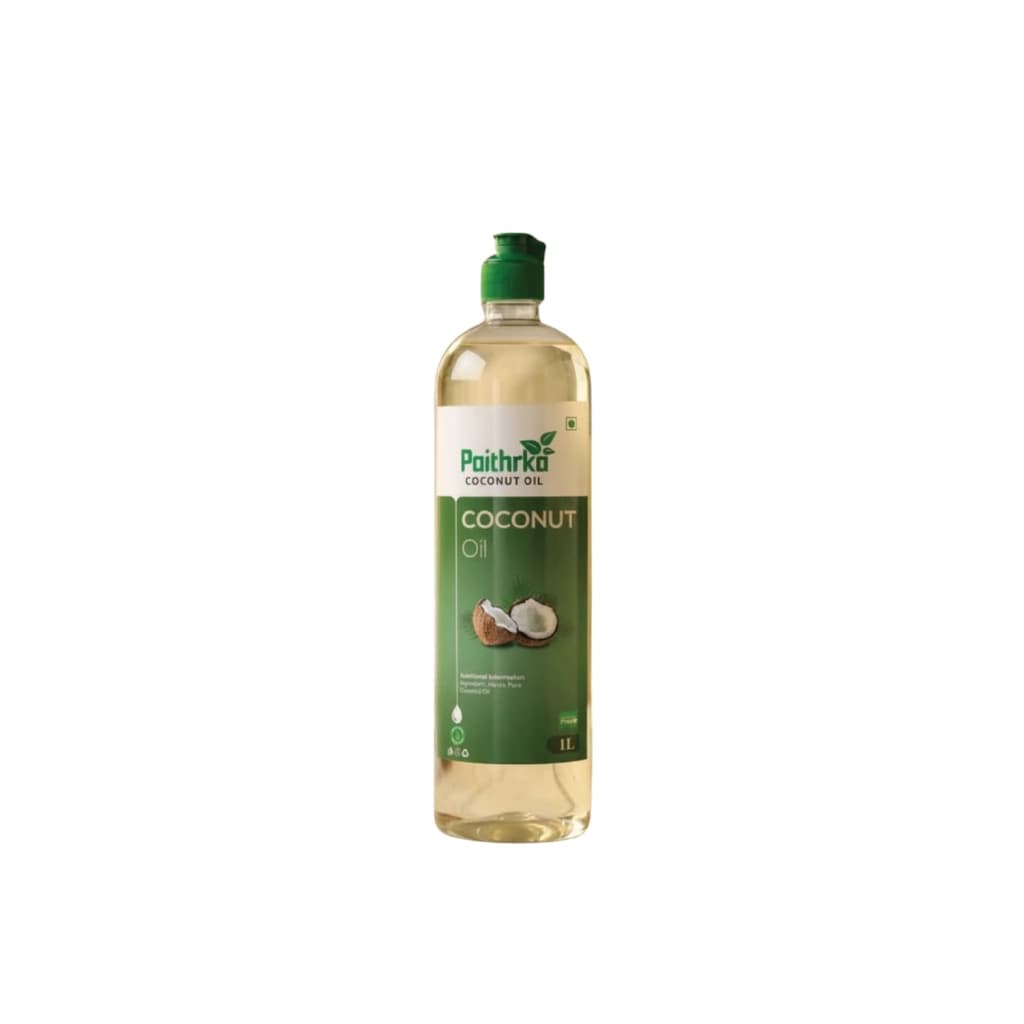
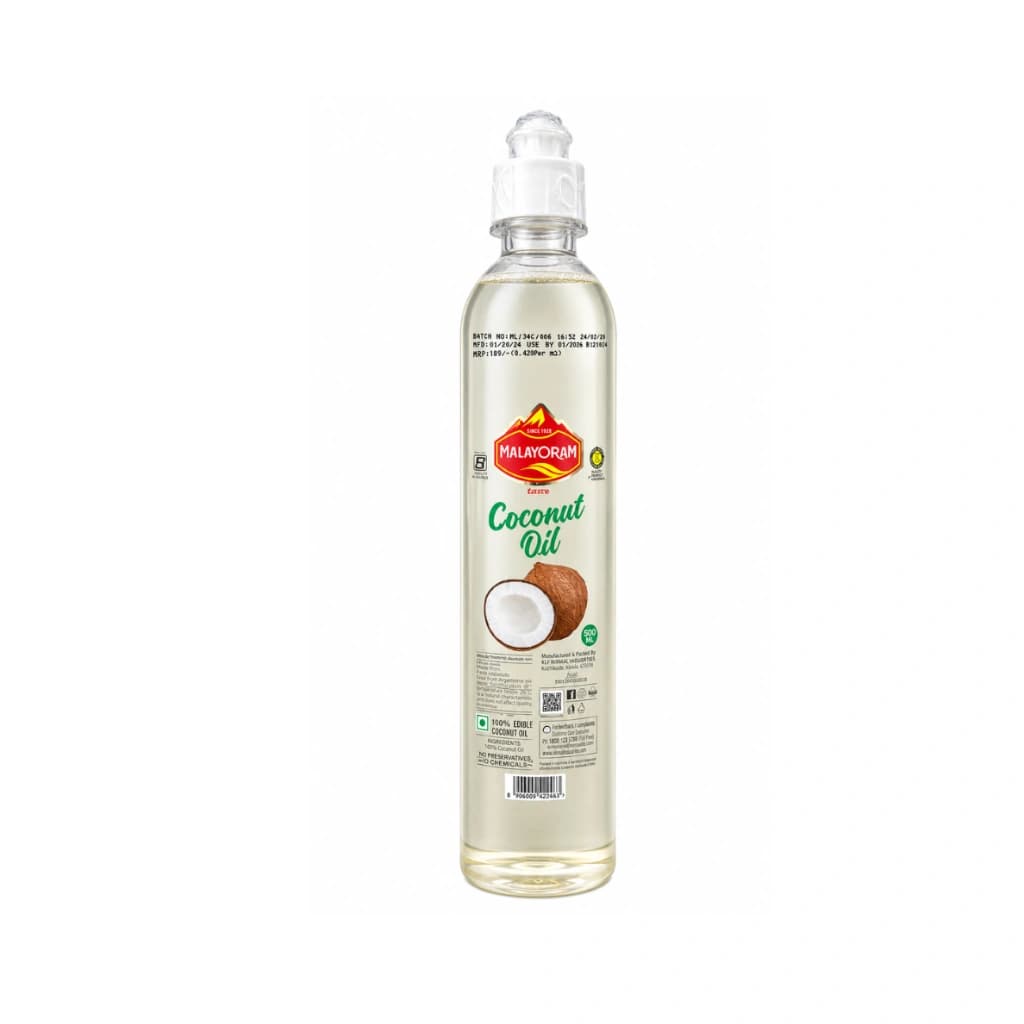
- Cold-Pressed & Wood-Pressed Oils: Unrefined mustard, sesame, groundnut, and coconut oils extracted via traditional slow-pressing methods that preserve natural antioxidants, vitamins, and authentic flavors.
- Refined Everyday Cooking Oils: Light, neutral-flavored sunflower, soybean, and rice bran oils engineered with high smoke points for everyday frying, roasting, and multi-cuisine cooking.
- Specialty & Healthy Oils: Extra virgin olive oil, avocado oil, and specialized low-absorption cooking oils tailored for health-conscious and continental preparations.
How to Choose the Right Edible Oil and Ghee
Selecting the ideal cooking oil or ghee depends on your specific cooking techniques, smoke point requirements, and health goals:
- Match Oil to Cooking Temperature (Smoke Point): Use high smoke point refined oils or pure ghee for deep frying and high-heat searing, and reserve delicate cold-pressed or extra virgin oils for low-heat dressings and light sautées.
- Consider Flavor Profiles: Choose robust, pungent mustard oil or aromatic sesame oil for traditional regional dishes, and neutral sunflower or rice bran oil when you want the natural flavor of ingredients to shine.
- Prioritize Extraction Methods: Opt for cold-pressed or wood-pressed oils if you value unrefined processing methods that retain natural plant nutrients and chemical-free purity.
- Evaluate Ghee Quality: Look for traditional Bilona method or pure milk fat ghee that exhibits a rich golden hue, granular texture, and a distinct, natural buttery aroma.
Uses and Lifestyle Benefits
Incorporating quality edible oils and pure ghee into a balanced diet provides essential nutritional and culinary advantages:
- Enhanced Nutrient Absorption: Dietary fats act as crucial carriers for fat-soluble vitamins (Vitamins A, D, E, and K), helping your body absorb them efficiently from vegetables and greens.
- Sustained Energy and Brain Health: Pure ghee and natural unrefined fats supply concentrated energy and essential fatty acids that support cellular function and cognitive health.
- Culinary Mastery and Flavor Delivery: Fats coat the taste buds, enhance the aromatic compounds of spices during tempering (tadka), and create the perfect texture in baked and fried goods.
Proper Storage Tips for Oils and Ghee
Preserving the freshness, preventing rancidity, and extending the shelf life of your cooking fats requires smart storage habits:
- Store in Cool, Dark Pantries: Keep your oil bottles and ghee jars away from direct sunlight, stoves, and heat-generating appliances, as light and heat accelerate oxidation and rancidity.
- Keep Containers Tightly Sealed: Always screw caps and lids on tightly immediately after use to prevent oxygen exposure, which degrades the oil's quality over time.
- Use Clean, Dry Utensils for Ghee: When scooping desi ghee, always use a strictly clean and bone-dry spoon to prevent moisture contamination and mold growth inside the jar.
- Monitor Expiry for Cold-Pressed Oils: Because cold-pressed and unrefined oils contain natural plant sediments, consume them within their recommended timeframe and store them carefully.
Popular Standards and Brands at Takora Mart
We partner with trusted food producers and traditional oil millers:
- Purity and Adulteration Testing: Sourced from facilities that conduct rigorous laboratory screenings to guarantee 100% pure, unadulterated oils and ghee.
- Secure Food-Grade Packaging: Bottled in heavy-duty food-grade plastic, tin cans, or UV-protected glass containers to safeguard freshness and prevent leakage.
Frequently Asked Questions (FAQs)
Q1: What is the main difference between cold-pressed oil and refined oil?
A: Cold-pressed oil is extracted mechanically without heat or chemical solvents, retaining its natural nutrients, aroma, and color, whereas refined oil undergoes chemical processing and high-heat filtering to achieve a neutral taste and high smoke point.
Q2: Is desi ghee healthy for daily consumption?
A: Yes, in moderate quantities, pure desi ghee is a wholesome source of healthy short-chain fatty acids, CLA, and fat-soluble vitamins, making it a superior alternative to hydrogenated vanaspati or artificial margarines.
Q3: Can I use mustard oil for all types of cooking?
A: Pungent mustard oil is exceptional for traditional North and East Indian curries, frying, and pickling; however, its strong flavor makes it less suitable for baking or continental dishes where a neutral oil is preferred.
Q4: How quickly does Takora Mart deliver edible oils and ghee?
A: Takora Mart offers swift and reliable delivery services, ensuring your heavy bottles of cooking oil and jars of pure ghee arrive securely packaged, intact, and promptly at your doorstep.