

Seeds: Small Superfoods That Make a Big Difference in Your Everyday Diet
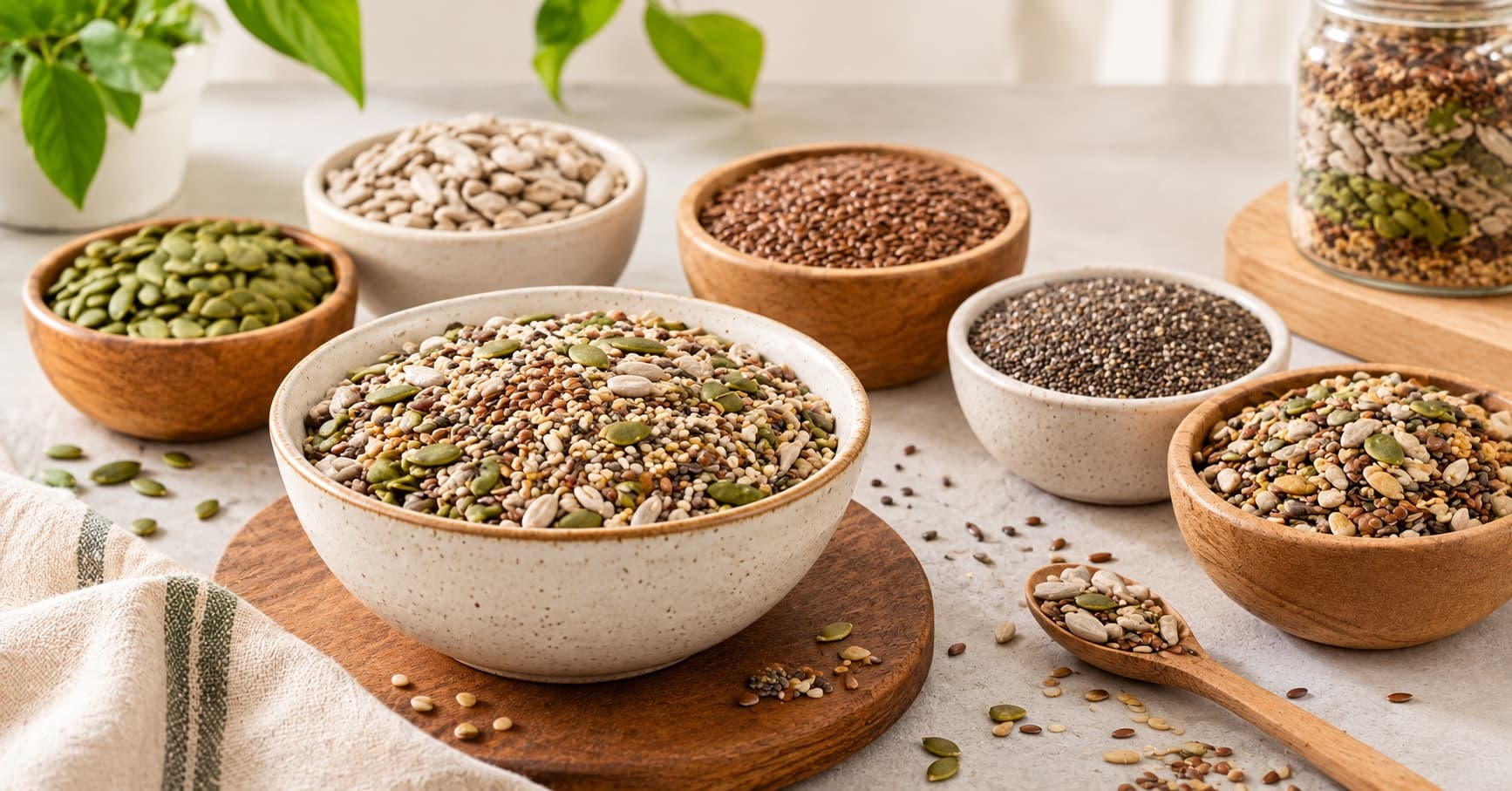
Seeds are tiny nutritional powerhouses that can add flavour, texture and valuable nutrients to your everyday meals. From crunchy pumpkin seeds to fibre-rich flaxseeds and versatile chia seeds, these little ingredients are easy to incorporate into a balanced diet. Whether you sprinkle them over breakfast, blend them into smoothies or enjoy them as a quick snack, seeds offer plenty of ways to make everyday eating more interesting.
With growing interest in healthy eating and convenient snacking, seeds have become a popular addition to modern kitchens. They are versatile, easy to store and suitable for a variety of recipes. Let's explore different types of edible seeds, their nutritional benefits and simple ways to enjoy them at home.
Why Should You Include Seeds in Your Daily Diet?
Seeds may be small, but many varieties contain a combination of protein, dietary fibre, healthy fats, vitamins and minerals. Their nutritional composition varies depending on the type, making it useful to include different varieties in your diet.
Here are some reasons to consider adding seeds to your everyday meals:
1. A source of essential nutrients: Many edible seeds contain nutrients such as magnesium, zinc, iron and vitamin E. The amounts vary by variety, but seeds can contribute to your overall nutrient intake.
2. Plant-based protein: Seeds can help add plant-based protein to meals, making them a convenient option for vegetarians looking to diversify their protein sources.
3. Dietary fibre: Certain seeds provide fibre, which supports normal digestion and can help you feel satisfied after eating.
4. Healthy fats: Flaxseeds, chia seeds and sunflower seeds contain unsaturated fats. Flaxseeds and chia seeds are also sources of alpha-linolenic acid (ALA), a plant-based omega-3 fatty acid.
5. Everyday versatility: Seeds can be added to sweet and savoury dishes, allowing you to improve the texture and variety of meals without complicated preparation.
Remember that seeds are nutrient-dense foods, so portion sizes matter. A small serving can complement a balanced diet, but seeds are not a replacement for varied meals.
Five Types of Seeds to Keep in Your Kitchen
Different seeds have different flavours, textures and culinary uses. Here are five options worth exploring.
1. Mixed Seeds: A Convenient Combination
If you enjoy variety, mixed seeds are an easy place to start. Depending on the blend, they may combine pumpkin seeds, sunflower seeds, flaxseeds, sesame seeds and other varieties to create a mix of flavours and textures.
Mixed seeds are particularly convenient for people who want to include different seeds without buying and measuring several varieties separately.
You can sprinkle them over breakfast bowls, add them to homemade granola, mix them into salads or enjoy a small portion as a snack.
Looking for a convenient option? Try Ruchi Mantra Roasted Mixed Seeds – 250 g from Takora Mart.
Roasted mixed seeds can be a handy pantry addition when you want something crunchy to accompany your everyday meals. Check the product label for ingredients, salt and other additions to choose an option that suits your preferences.
2. Flaxseeds: A Simple Addition to Everyday Recipes
Flaxseeds, also known as linseeds, are small brown or golden seeds recognised for their fibre and ALA omega-3 fatty acid content.
They have a mild, nutty flavour and work well in both sweet and savoury dishes. Ground flaxseeds are generally easier for the body to access nutritionally than whole flaxseeds, which may pass through the digestive system without being fully broken down.
Here are a few easy ways to use flaxseeds:
Mix ground flaxseeds into oatmeal or porridge.
Add them to smoothies for extra texture and nutrients.
Stir them into homemade atta or multigrain roti flour.
Use ground flaxseeds in selected baking recipes.
You can explore Farmgrain Flax Seed to add flaxseeds to your kitchen pantry.
Start with a small quantity and increase it gradually according to your comfort, especially if your current diet is low in fibre. Drink enough water throughout the day.
3. Pumpkin Seeds: Crunchy and Versatile
Pumpkin seeds, sometimes called pepitas, are popular for their pleasant crunch and mildly nutty flavour. They provide protein, unsaturated fats and minerals, including magnesium and zinc.
Their versatility makes them easy to incorporate into everyday cooking. You do not need elaborate recipes or special equipment to enjoy them.
Try adding pumpkin seeds to:
Vegetable salads for a crunchy finish.
Homemade trail mixes with nuts and dried fruits.
Roasted makhana or other snack mixtures.
Breakfast bowls, overnight oats and homemade granola.
Soups as a topping just before serving.
Pumpkin seeds can also be lightly toasted to enhance their flavour. If you are watching your sodium intake, consider unsalted varieties.
Add Farmgrain Pumpkin Seed to your pantry and experiment with different ways to include these seeds in your meals.
4. Sunflower Seeds: A Nutty Everyday Favourite
Sunflower seeds are another versatile option for everyday eating. They contain vitamin E, an antioxidant nutrient, along with unsaturated fats, protein and other nutrients.
Their mild, nutty flavour makes them suitable for a wide range of dishes. Shelled sunflower seeds are particularly convenient because they can be added directly to recipes.
Here are some simple serving ideas:
For breakfast: Sprinkle sunflower seeds over cereal, yoghurt or a fruit bowl.
For lunch: Add them to green salads, grain bowls or homemade sandwich fillings.
For snacks: Combine them with roasted chickpeas, nuts and raisins to prepare a homemade snack mix.
For baking: Add them to bread, crackers or homemade savoury muffins.
Sunflower seeds can bring a satisfying crunch to meals without requiring much preparation. As with other seeds, keep portions moderate and check the label when purchasing flavoured or salted varieties.
Discover Farmgrain Sunflower Seeds for another easy way to add variety to your daily meals.
5. Black Chia Seeds: Small Seeds with Many Uses
Chia seeds are well known for their fibre content and their ability to absorb liquid, forming a gel-like texture. They also provide ALA omega-3 fatty acids and some plant-based protein.
One of the best things about chia seeds is how easily they fit into breakfast recipes and snacks.
Try these simple ideas:
Prepare chia pudding by soaking chia seeds in milk or a fortified plant-based alternative.
Add soaked chia seeds to smoothies.
Mix them into overnight oats.
Stir a small quantity into yoghurt.
Add them to selected baking recipes.
For a quick breakfast, combine chia seeds with milk and your preferred toppings, refrigerate until thickened and finish with fresh fruit or nuts.
Chia seeds should be allowed to absorb sufficient liquid before eating, rather than swallowing a spoonful of dry seeds. Start with a small amount if you are not accustomed to high-fibre foods.
You can find Farm Grain Black Chia Seeds on Takora Mart.
Easy Ways to Add Seeds to Your Daily Meals
You do not have to change your entire diet to start enjoying seeds. A few small additions can make your regular meals more varied.
At breakfast: Add ground flaxseeds or chia seeds to oats, porridge or smoothies.
At lunchtime: Sprinkle pumpkin or sunflower seeds over salads and grain bowls.
As an evening snack: Prepare a small mix of roasted seeds, nuts and dried fruits.
At dinner: Use mixed seeds as a topping for soups or roasted vegetables.
When baking: Incorporate suitable seeds into homemade bread, crackers or savoury muffins.
For a simple routine, rotate between different varieties throughout the week instead of relying on just one type.
How to Store Seeds and Keep Them Fresh
Proper storage helps preserve the flavour and quality of seeds, particularly those containing unsaturated fats.
Keep seeds in clean, airtight containers away from heat, moisture and direct sunlight. Follow the storage instructions on the product packaging, and refrigerate or freeze varieties such as flaxseeds when appropriate, especially after opening or grinding them.
Buy quantities you can reasonably use, close packages securely and check for changes in smell, taste or appearance before consumption. A bitter or rancid smell can indicate that seeds have deteriorated.
If you have a seed allergy or need to follow a specific medical diet, check product ingredients and allergen information before purchasing.
Shop for Seeds Online at Takora Mart
Eating thoughtfully does not have to mean spending hours in the kitchen. With versatile ingredients such as mixed seeds, flaxseeds, pumpkin seeds, sunflower seeds and chia seeds, you can add variety to everyday meals using simple recipes.
At Takora Mart, you can explore convenient pantry options for your grocery shopping. Whether you are preparing a quick breakfast, planning nutritious snacks or experimenting with homemade recipes, seeds can be a useful addition to your kitchen essentials.
Explore the seed options linked in this blog, choose varieties that suit your taste and start with recipes you already enjoy.
Final Thoughts
Seeds may be tiny, but they offer plenty of possibilities in the kitchen. From the crunch of pumpkin and sunflower seeds to the versatility of flaxseeds and chia seeds, each variety brings its own flavour, texture and nutritional profile.
The easiest way to get started is to keep things simple: sprinkle seeds over breakfast, add them to salads or prepare a small homemade snack mix. Combine them with fruits, vegetables, whole grains, pulses and other nutritious foods for a balanced approach to everyday eating.
Ready to add more variety to your pantry? Explore the seed selection at Takora Mart and discover simple ways to make your everyday meals more interesting.
Shop smart, eat thoughtfully and make every meal count with Takora Mart!