

Garam Masala: Origin, History, Flavor and Its Importance in Indian Households
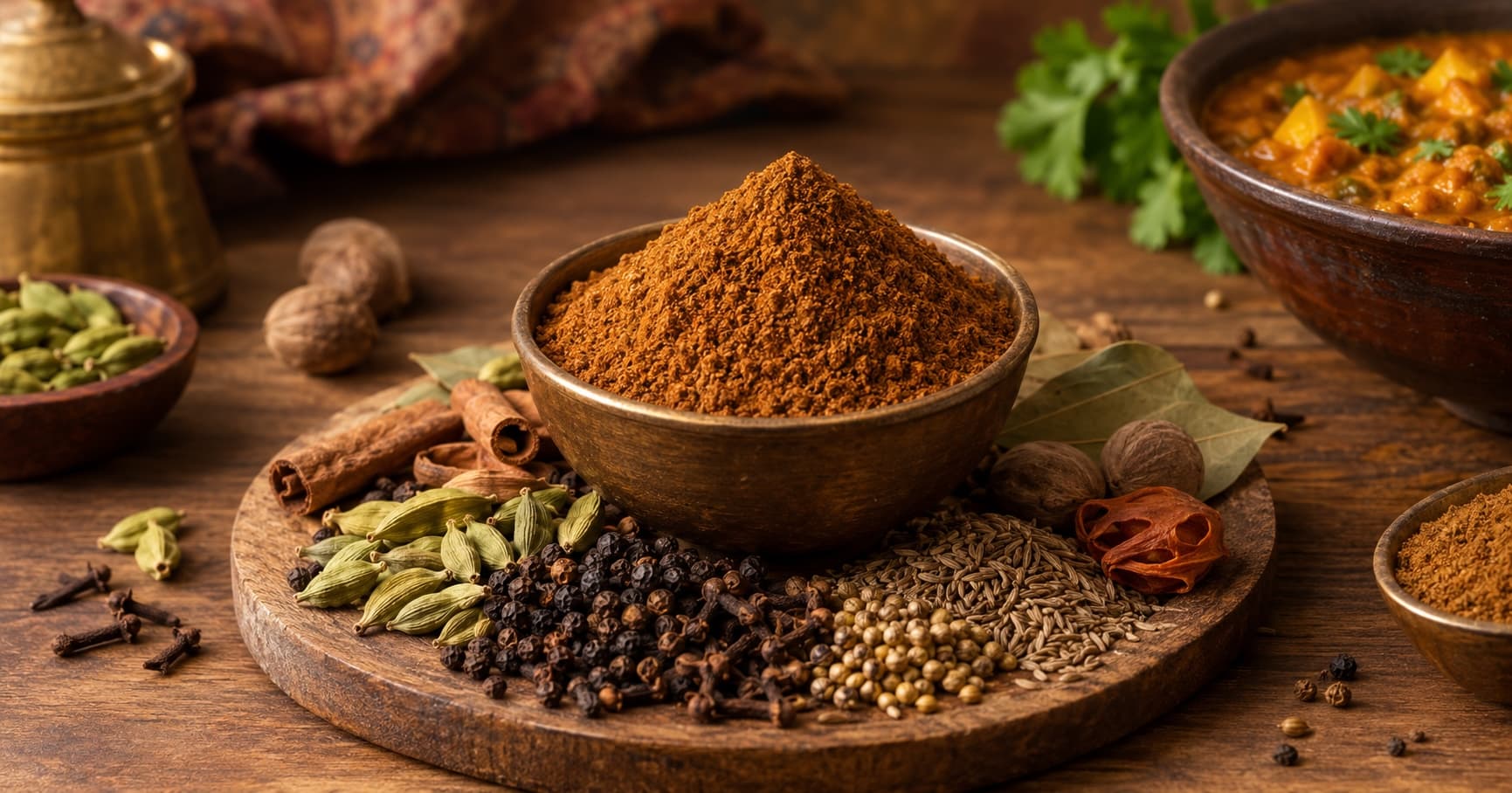
There are some ingredients that quietly define the character of Indian cooking. Garam masala is one of them. Just a small spoonful can transform an ordinary curry into something fragrant, warm and deeply comforting. From everyday dal and vegetable curries to biryani, paneer dishes and rich gravies, garam masala has become an essential spice blend in kitchens across India.
But garam masala is much more than a packet of spice powder sitting in the kitchen cupboard. It carries centuries of culinary traditions, regional variations and family recipes. Its distinctive aroma comes from a carefully balanced combination of spices, while its versatility makes it one of the most useful ingredients in Indian cooking.
So, where did garam masala come from? What gives it its unique flavor? And why is it such an important part of the Indian household? Let's explore.
What Is Garam Masala?
Garam masala is a blend of aromatic spices that are traditionally roasted and ground to create a fragrant spice mixture. The name is generally understood as referring to “warming spices” rather than simply meaning a very spicy or hot mixture. In fact, garam masala does not necessarily have to contain chilli, and its warmth comes primarily from spices such as black pepper, cloves, cinnamon and cardamom.
There is no single recipe for authentic garam masala. Its ingredients and proportions can change depending on the region, family tradition and dish being prepared. Common ingredients include:
Cardamom
Cinnamon or cassia
Cloves
Black pepper
Cumin
Coriander
Nutmeg
Mace
Fennel
Bay leaf
Some regional blends may include additional spices, creating completely different aromas and flavor profiles.
That is part of what makes garam masala so special: there isn't one “correct” garam masala.
The Origin and History of Garam Masala
The history of garam masala is closely connected to India's long-standing relationship with spices. Spices such as cardamom, black pepper, cinnamon and cloves have been used in the Indian subcontinent for centuries, both in cooking and traditional systems of medicine.
Interestingly, the history of spice blends similar to garam masala may go back further than the Mughal period. The Ni'matnama, a fifteenth-century cookbook from the Malwa Sultanate, contains descriptions of elaborate spice combinations that resemble some later garam masala traditions. The cookbook was compiled between approximately 1495 and 1505.
The Mughal era nevertheless played an important role in shaping India's rich tradition of aromatic spice blends. Persian and Central Asian culinary influences interacted with existing Indian cooking traditions, leading to sophisticated combinations of spices used in dishes such as biryani, kebabs, korma and rich gravies.
Over generations, these culinary traditions moved beyond royal and professional kitchens and became part of everyday home cooking. As Indian cuisine developed across different regions, families began creating their own versions of spice blends.
This explains why garam masala can taste completely different from one household to another.
What Does Garam Masala Taste Like?
One of the biggest misconceptions about garam masala is that it is simply “hot.” In reality, its flavor is much more complex.
Depending on the blend, garam masala can have a combination of warm, sweet, earthy, peppery, woody and slightly pungent notes. Cardamom brings a sweet and floral aroma, cinnamon adds warmth, cloves contribute a strong aromatic character, while black pepper gives the blend its gentle heat.
Cumin and coriander can add earthy and slightly citrusy notes, while nutmeg and mace contribute depth and richness.
The result is a spice blend that can make a dish smell as delicious as it tastes.
This is also why garam masala is often added toward the end of cooking. Adding it near the finishing stage helps preserve its delicate aroma and allows the spices to remain noticeable in the finished dish.
Why Is Garam Masala Important in Indian Households?
In many Indian homes, garam masala is an everyday kitchen essential. Its popularity comes from one simple reason: it can instantly add depth and aroma to a dish.
Imagine preparing a simple potato curry. The basic ingredients may be potatoes, tomatoes, onions, oil and a few everyday spices. Add a small amount of garam masala toward the end, and suddenly the dish has a richer aroma and a more rounded flavor.
The same principle works with countless Indian dishes.
Garam masala can be used in:
Vegetable curries
Paneer dishes
Dal
Chole and rajma
Biryani
Pulao
Kebabs
Tandoori dishes
Soups
Stuffed vegetables
Marinades
Gravy-based dishes
For busy households, it is especially convenient because one carefully balanced spice blend can replace the need to measure several individual aromatic spices.
Garam Masala and Regional Indian Cooking
India's culinary diversity is reflected beautifully in garam masala.
Different regions have developed their own combinations based on local ingredients, traditions and preferences. Some blends are heavy on cardamom and cloves, while others may emphasize cumin, fennel, pepper or other aromatic spices.
Even within the same state, families can have their own recipes.
This regional diversity is one of the reasons Indian cuisine cannot be reduced to a single “curry” or spice profile. Garam masala itself demonstrates how Indian cooking has evolved through geography, trade, culture and generations of home cooks.
How to Use Garam Masala in Everyday Cooking
The beauty of garam masala is that you usually don't need a large quantity. A small amount can make a noticeable difference.
For curries and gravies, add garam masala toward the end of cooking and allow it to blend into the dish for a few minutes. It can also be sprinkled over dishes immediately before serving.
You can experiment with it beyond traditional curries too. Add a pinch to roasted vegetables, pulao, sandwiches with Indian fillings or even homemade snacks for an extra layer of flavor.
The key is balance. Too much garam masala can overpower the other ingredients, while the right amount creates a subtle but unmistakable aroma.
Popular Garam Masala Options at Takora Mart
If you're looking to keep a reliable garam masala in your kitchen, Takora Mart offers several options to explore.
Kitchen Treasures Garam Masala is a convenient choice for everyday Indian cooking and can be used across curries, vegetables and gravies.
Nirapara Garam Masala is another option for adding a familiar aromatic spice blend to your everyday recipes.
For those who enjoy trusted Indian spice blends, Double Horse Garam Masala can be a convenient addition to the kitchen shelf.
If you prefer the idea of a homemade-style spice blend, Cucina by Shara Home Made Garam Masala is another option worth exploring.
You can check them out here:
How to Store Garam Masala
Because garam masala contains aromatic spices, proper storage is important for maintaining its fragrance and flavor.
Keep the powder in an airtight container and store it in a cool, dry and dark place away from direct sunlight and moisture. Avoid keeping it near the stove where heat can gradually reduce its aroma.
For the best flavor, buy quantities that you can reasonably use while the blend is still fragrant.
Garam Masala: A Small Spoonful of Indian Tradition
Garam masala is more than just another spice in the Indian kitchen. It represents the way Indian cooking has evolved over centuries — bringing together local ingredients, regional traditions, cultural influences and family recipes.
Its warm aroma can turn a simple weekday meal into something special, while its versatility makes it useful for everything from dal and vegetables to biryani and rich gravies.
Perhaps that is why almost every Indian household has its own relationship with garam masala. For some, it is a carefully guarded family recipe. For others, it is the trusted packet reached for when a curry needs “just something extra.”
Whatever your version may be, one thing remains true: a little garam masala can bring a lot of warmth to the table.
Looking for everyday spices and kitchen essentials? Explore Takora Mart for a wide range of grocery products and ingredients that make everyday cooking easier and more flavorful.